 Trang Chủ
IELTS Cue Card: Describe a Problem and a Solution, cách trả lời, ý tưởng và bài mẫu

Nếu bạn gặp cue card kiểu Describe a Problem and a Solution trong IELTS Speaking Part 2, cách an toàn nhất không phải là cố nghĩ ra một câu chuyện “ghê gớm”, mà là kể thật rõ vấn đề là gì, bạn xử lý ra sao, và kết quả thế nào. Trong Speaking Part 2, bạn có 1 phút chuẩn bị, nói 1-2 phút, sau đó thường có 1-2 câu hỏi ngắn liên quan, nên càng có khung sẵn trong đầu, bạn càng dễ nói trôi chảy hơn.
Key takeaways
- Đây là dạng cue card kiểm tra khả năng kể lại một tình huống có vấn đề và cách giải quyết nó một cách logic.
- Cách trả lời dễ nhất là đi theo khung: bối cảnh → vấn đề → giải pháp → kết quả / bài học.
- Với Speaking Part 2, bạn không cần kể chuyện quá “đao to búa lớn”, chỉ cần thật, rõ, có trình tự.
- Muốn tăng điểm, hãy tập trung vào 4 tiêu chí: độ trôi chảy và mạch lạc, từ vựng, ngữ pháp, phát âm.
- Lỗi phổ biến nhất là nói quá dài về vấn đề nhưng quá ít về giải pháp.
Describe a Problem and a Solution trong IELTS Speaking Part 2 là gì?
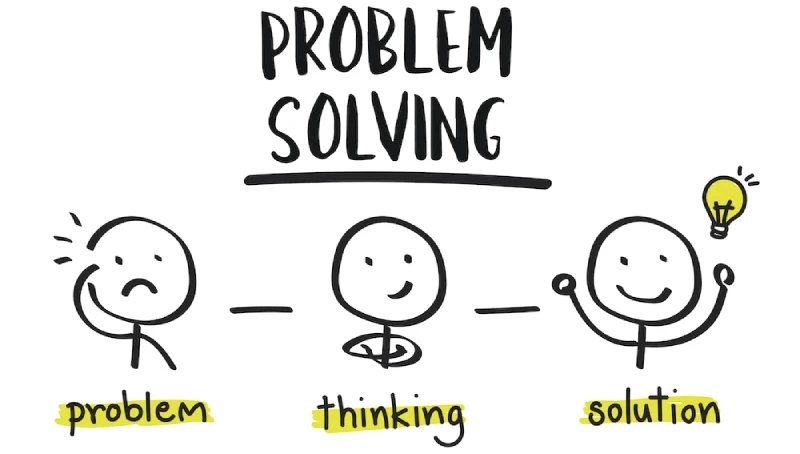
Đây là nhóm cue card yêu cầu bạn kể về một vấn đề cụ thể và cách nó được giải quyết. Điểm quan trọng của dạng này không nằm ở việc vấn đề có nghiêm trọng hay không, mà nằm ở cách bạn:
- xác định đúng trọng tâm
- kể theo trình tự rõ ràng
- giải thích vì sao giải pháp đó hiệu quả
- chốt lại bằng kết quả hoặc bài học
Trong IELTS Speaking Part 2, task card thường đưa ra chủ đề kèm các gợi ý phụ để bạn bám vào khi nói. Bạn có 1 phút ghi chú, nói 1-2 phút, rồi giám khảo hỏi thêm 1-2 câu liên quan. Bài nói được đánh giá theo 4 tiêu chí chính: Fluency and Coherence, Lexical Resource, Grammatical Range and Accuracy, Pronunciation.
Nói cách khác, giám khảo không chấm xem câu chuyện của bạn có “ấn tượng” đến đâu. Họ chấm xem bạn triển khai có logic không, dùng từ có phù hợp không, câu có đủ chính xác không, và phát âm có dễ hiểu không.
Vì sao nhiều bạn bị bí với dạng đề này?
Có 4 lý do rất thường gặp:
- Không biết bắt đầu từ đâu
Bạn nhớ tình huống, nhưng không biết nên kể vấn đề trước hay kết quả trước. - Kể lan man phần mở đầu
Nói quá nhiều về bối cảnh làm hết thời gian, đến phần giải pháp lại bị cụt. - Thiếu từ để mô tả cách xử lý
Nhiều bạn chỉ nói được kiểu: I had a problem. I solved it. It was okay. - Không có câu chốt
Bài nói kết thúc quá đột ngột, không có cảm xúc, kết quả hay bài học.
Ví dụ, nếu bạn chỉ nói:
I had a problem with my laptop before a presentation. Then my friend helped me. It was fine.
thì về cơ bản câu trả lời này đúng ý, nhưng chưa đủ để tạo một bài nói có chiều sâu.
Cách trả lời theo khung 4 bước
Bạn có thể dùng khung dưới đây cho hầu hết các đề thuộc nhóm problem-solution.
-
Bước 1: Nói nhanh bối cảnh
Trả lời câu hỏi: chuyện xảy ra khi nào, ở đâu, trong hoàn cảnh nào.
Ví dụ:
This happened during my second year at university, right before an important group presentation. -
Bước 2: Nêu rõ vấn đề
Không kể vòng vo. Hãy nói thật rõ vấn đề là gì.
Ví dụ:
The problem was that my laptop suddenly stopped working, and all my presentation slides were stored there. -
Bước 3: Trình bày giải pháp
Đây là phần quan trọng nhất. Hãy nói:
- ai nghĩ ra giải pháp
- giải pháp là gì
- bạn đã làm gì cụ thể
Ví dụ:
Instead of panicking, I borrowed my friend’s laptop, logged into my email, and downloaded a backup version of the slides that I had sent to myself the night before. -
Bước 4: Chốt bằng kết quả và bài học
Đừng kết thúc ngay sau khi nói “the problem was solved”.
Hãy thêm:- kết quả ra sao
- bạn cảm thấy thế nào
- bạn học được gì
Ví dụ:
In the end, the presentation went surprisingly well, and that experience taught me the importance of backing up important files.
Công thức ngắn gọn để nhớ:
Context → Problem → Solution → Result / Lesson
Gợi ý 3 hướng lên ý nhanh
Để không bị bí trong phòng thi, bạn nên chuẩn bị sẵn 2-3 tình huống đời thật có thể xoay cho nhiều đề.
- Hướng 1: Vấn đề học tập
- quên deadline
- lỗi laptop khi thuyết trình
- không hiểu bài
- thiếu tài liệu
- mâu thuẫn khi làm việc nhóm
- Hướng 2: Vấn đề công việc
- trễ tiến độ
- khách hàng đổi yêu cầu phút chót
- nhầm file
- lỗi mạng khi họp online
- thiếu người trong một dự án
- Hướng 3: Vấn đề đời sống hằng ngày
- lạc đường
- mất điện thoại
- mua hàng bị lỗi
- kẹt xe trước giờ quan trọng
- quên giấy tờ khi đi làm thủ tục
Với người học Việt Nam, hướng dễ nói nhất thường là vấn đề học tập hoặc công việc vì:
- gần với trải nghiệm thật
- dễ kể theo trình tự
- dễ có “bài học” để chốt câu trả lời
Bài mẫu tham khảo

Dưới đây là một bài mẫu theo hướng tự nhiên, dễ học, không quá học thuật:
One problem I clearly remember happened during my final year at university. My group and I had to give an important presentation, and I was responsible for preparing the slides. Unfortunately, on the morning of the presentation, my laptop suddenly froze and refused to restart. I was extremely stressed because all the key materials were saved on that device.
At first, I didn’t know what to do, but one of my classmates suggested that I use his laptop and check my email. Luckily, I had sent a copy of the presentation to my supervisor the night before, so I was able to download it again. We also made a few quick changes and practised for about ten minutes before going into class.
In the end, the presentation went much better than I had expected. Our teacher said we were well-prepared and clear in our delivery. What I learned from that experience is that backing up files is absolutely essential, especially before an important event. Since then, I’ve made it a habit to save everything both on my laptop and on cloud storage.
Vì sao bài mẫu này ổn?
- Có bối cảnh rõ
- Có vấn đề cụ thể
- Có giải pháp hợp lý
- Có kết quả và bài học
- Dùng từ vừa đủ, không cố “làm màu”
Từ vựng và collocations nên dùng
Bạn không cần nhồi từ quá khó. Chỉ cần một số cụm đủ tự nhiên là đã tốt hơn rất nhiều.
- run into a problem: gặp rắc rối
I ran into a problem right before the event. - deal with an issue: xử lý một vấn đề
I had to deal with the issue immediately. - figure out a solution: nghĩ ra cách giải quyết
We quickly figured out a solution. - stay calm under pressure: giữ bình tĩnh khi bị áp lực
What helped me most was staying calm under pressure. - come up with an idea: nghĩ ra một ý tưởng
My teammate came up with a simple but effective idea. - a backup copy: bản sao lưu
Fortunately, I had a backup copy of the file. - work out in the end: cuối cùng đã ổn
Everything worked out in the end. - learn a valuable lesson: rút ra một bài học đáng giá
I learned a valuable lesson from that experience.
Bạn có thể dùng thêm các cấu trúc như:
- What made the situation worse was…
- The most effective solution was…
- Looking back, I think…
- That experience taught me that…
Lỗi thường gặp / nhầm lẫn thường gặp
- Chỉ kể vấn đề, không nói kỹ giải pháp
Đây là lỗi phổ biến nhất của dạng này. -
Dùng quá nhiều câu đơn
Ví dụ:
I had a problem. I was sad. My friend helped me. It was good.
Câu đúng, nhưng quá ngắn và đơn điệu. -
Kể một chuyện không thật
Khi bịa quá tay, bạn dễ bị:
- thiếu chi tiết
- lặp ý
- nói mâu thuẫn
- mất tự nhiên
-
Lạm dụng từ vựng “band cao”
Nếu từ không hợp ngữ cảnh, giám khảo sẽ không đánh giá cao.
-
Không có câu chốt
Một bài nói ổn luôn nên có một trong 3 thứ:
- kết quả
- cảm xúc
- bài học
Mẹo áp dụng / cách tự học / cách ghi nhớ
Bạn có thể tự luyện dạng này tại nhà theo cách rất đơn giản:
- Bước 1: Chuẩn bị sẵn 3 câu chuyện gốc
- một chuyện học tập
- một chuyện công việc
- một chuyện đời sống
- Bước 2: Viết note theo 4 ô
- Context
- Problem
- Solution
- Result / Lesson
-
Bước 3: Ghi âm 90 giây đến 2 phút
Nghe lại xem bạn có:
- nói quá nhiều ở phần mở đầu không
- thiếu phần giải pháp không
- lặp từ không
- kết bài có bị cụt không
- Bước 4: Nâng cấp dần
- thêm 2-3 collocations
- thay 2 câu đơn bằng 1 câu phức
- thêm 1 câu cảm xúc hoặc bài học
Mẹo nhớ nhanh:
Muốn nói tốt dạng này, đừng cố nhớ cả bài. Hãy nhớ xương sống của câu chuyện.
FAQ
Không nhất thiết. Thường bạn sẽ gặp các đề gần nghĩa, nhưng vẫn cùng logic: có vấn đề, có cách xử lý, có kết quả.
Bạn vẫn có thể dùng một tình huống đơn giản, miễn là kể hợp lý và nhất quán. Tuy nhiên, ưu tiên trải nghiệm thật vẫn tốt hơn vì tự nhiên hơn.
Hãy nói đủ cả hai, nhưng phần giải pháp + kết quả nên là phần nổi bật hơn.
Chỉ khi bạn dùng đúng và tự nhiên. Tiêu chí chấm Speaking nhấn mạnh vốn từ phù hợp, khả năng paraphrase, và khả năng duy trì bài nói rõ ràng.
Xem thêm
- Cách trả lời câu hỏi Describe theo 5W1H
- IELTS Cue Card: Describe an Experience
- Cách trả lời câu hỏi What would you do if…?
- IELTS General Training: hiểu đúng cấu trúc Speaking
- IELTS là gì? So sánh Academic và General Training để chọn đúng dạng thi
Kết luận
Nếu bạn đang luyện IELTS Speaking nhưng vẫn hay bí ý ở Part 2, hãy bắt đầu bằng việc kiểm tra trình độ hiện tại và xác định mình đang vướng ở đâu: ý tưởng, từ vựng, phát âm hay cách triển khai câu trả lời. Khi biết đúng điểm nghẽn, bạn sẽ lên band nhanh hơn rất nhiều.
10 tiêu chí chọn trung tâm tiếng Anh trước khi đăng ký Chọn một trung...
7 dấu hiệu bạn đang mất gốc tiếng Anh và cách khắc phục Bạn có...
Mất bao lâu để học lại tiếng Anh từ đầu? Nếu đang mất gốc tiếng...
Người mất gốc nên học ngữ pháp hay từ vựng trước? Cách xây nền tiếng...
Học viên SEC cải thiện tiếng Anh giao tiếp như thế nào? Hành trình từ...
Hành trình từ mất gốc đến IELTS 6.5+ tại SEC: Bắt đầu lại như thế...
Từ mất gốc đến TOEIC 800+: Học viên SEC đã học như thế nào? Nhiều...
Bận đi làm có học tiếng Anh tại SEC được không? Cách sắp xếp lộ... 
10 tiêu chí chọn trung tâm tiếng Anh trước khi đăng ký
Th10

7 dấu hiệu mất gốc tiếng Anh và cách khắc phục
Th10

Mất bao lâu để học lại tiếng Anh từ đầu? (2026)
Th10

Người mất gốc nên học ngữ pháp hay từ vựng trước? Cách xây nền tiếng Anh đúng hướng (2026)
Th10

Học viên SEC cải thiện tiếng Anh giao tiếp như thế nào? (2026)
Th10

Hành trình từ mất gốc đến IELTS 6.5+ tại SEC
Th10

Từ mất gốc đến TOEIC 800+: Học viên SEC đã học như thế nào? (2026)
Th10

Bận đi làm có học tiếng Anh tại SEC được không? Cách sắp xếp lộ trình cho người bận rộn (2026)
Th10